
Featured

13 Jul 2026
9 min read
Noor Kaur
Building a Diversified Stock Portfolio: A Practical Framework for Retail Investors

What is a Stock Portfolio?
A stock portfolio is the group of stocks you own. For example, if you buy shares of three different companies, those shares together form your stock portfolio. Think of it as a basket that holds all your stock investments in one place.
What Is Diversification and Why Does It Matter?
Diversification is when you put your money into different things like stocks, sectors, and assets. You do not put everything into one thing. If one thing does not do well, the other things you have invested in help make up for it.
In the share market, factors like government policies, commodity prices, and global events can affect certain sectors. A diversified portfolio reduces your overall risk. This is because if one company or sector does poorly, it will not hurt your portfolio.
Diversification does not make all risk go away. It helps a lot because it means one bad investment will not hurt your overall returns as much. Diversification of your investment portfolio is important because it helps spread your money across different investments, reducing the risk of losing money from a single investment. Diversification of your portfolio means you have different investments, like stocks, sectors, and assets, so if one does not do well, your other investments can help.
Why Retail Investors Often Get This Wrong?
Many retail investors start building their stock portfolio by picking two or three popular stocks they have heard about. Over time, they add more stocks from the same sector or theme. This creates what looks like a large investment portfolio but is actually a highly concentrated one.
Owning ten technology stocks, for example, is not a diversified stock portfolio. It is ten bets on the same sector. If that sector faces a downturn, your entire investment portfolio suffers together.
A truly diversified stock portfolio requires deliberate thinking about which sectors, market caps, and types of long-term investment stocks you are adding and why.
A Practical Framework for Building Your Stock Portfolio:
Step 1: Understand Your Investment Purpose
Before making your first investment, decide what you want from your investment portfolio. Are you building it for retirement twenty years from now? Saving to buy a house in five years? Targeting long-term investment stocks for compounding growth?
Your time horizon shapes every decision. Investors focused on long-term investment stocks can afford more short-term volatility because they have time to recover. Those with shorter timelines need to be more conservative in their equity investing approach.
Clarity on goals is the foundation of good portfolio management.
Step 2: Decide on Asset Allocation
Asset allocation means deciding what percentage of your stock portfolio goes into different types of investments. A simple framework for equity market investment in India looks like this:
Large-cap stocks give stability to your investment portfolio. These are established companies in the stock market with long track records and lower volatility. They form the backbone of most retail investment portfolios.
Mid-cap stocks offer a balance between growth and risk. Including mid-caps adds growth potential without concentrating fully in high-risk territory.
Small-cap stocks carry higher risk but also higher upside. They work best as a smaller portion of your stock portfolio, especially for newer investors in the share market.
Step 3: Diversify Across Sectors
A diversified stock portfolio should not be heavily weighted in any single sector. If more than 30 to 40 percent of your investment portfolio sits in one sector, you are overexposed.
For equity investing in India, sectors that commonly form part of a balanced stock portfolio include banking and financial services, information technology, pharmaceuticals, consumer goods, infrastructure, and energy. Spreading your holdings across these sectors means your investment portfolio is not entirely dependent on any one part of the economy doing well.
Thinking about sector balance is one of the most practical investment strategies for retail investors who want long-term investment stocks that hold up across market cycles.
Step 4: Select Quality Long-Term Investment Stocks
Once your allocation framework is set, choose individual stocks within each segment. For long-term investment stocks, focus on companies with consistent revenue and profit growth, manageable debt levels, a clear competitive advantage, and experienced management.
These factors matter more when building a stock portfolio for the long term than short-term price movements do. Quality long-term investment stocks tend to be businesses that compound value steadily over years, not quarters.
Review and Rebalance Regularly
Building a stock portfolio is not a one-time task. Over time, some stocks grow faster than others, which changes your original allocation. A stock that was 5 percent of your investment portfolio might become 15 percent after a strong performance, concentrating your risk without any deliberate decision on your part.
Good portfolio management means reviewing your holdings at least once every six months. Check whether your allocation still matches your original plan. If certain sectors or stocks have grown too large, consider trimming and redirecting that capital to underweight areas.
This habit separates investors who maintain a truly diversified stock portfolio from those who drift into concentration over time.
Common Mistakes to Avoid:
Chasing recent performance is one of the biggest traps in equity investing. A sector that did well last year does not automatically continue that way. Piling into trending areas often creates the exact concentration your holdings should avoid.
Ignoring the market cap balance is another error. An investment portfolio made up of only large caps limits growth. One full of only small caps takes on unnecessary risk. Balance across market caps is central to solid investment strategies.
Not reviewing your holdings is the most common mistake of all. Many retail investors open a demat account, make an initial set of investments, and leave them untouched for years. Markets change. Companies change. Periodic attention keeps your investment portfolio aligned with your goals.
Getting Started With Online Stock Trading in India:
To begin your stock market investment journey, you need to open a demat account that will hold your shares in electronic form and a trading account that will handle buy and sell transactions. After you set up your accounts, you can begin investing using your broker’s online platform.
New investors tend to gravitate toward large caps because they’re more established and can offer more stability. As you learn more, you can look at stocks in other sectors for a more diversified portfolio.
mastertrust is an Indian online stock trading platform. It allows you to research companies, monitor your investments, and trade easily. Start building your long-term investment portfolio by opening a demat account with mastertrust.
Conclusion:
A strong stock portfolio is an important part of long-term & successful investing. Diversification across sectors, market caps, and business types gives your investment portfolio the resilience to withstand market downturns while participating in long-term growth.
Whether you are new to equity investing or bringing more structure to an existing stock portfolio, a clear framework makes the process more consistent. Define your goals, allocate thoughtfully, choose quality long-term investment stocks, and review your stock portfolio regularly. The stock market rewards investors who stay disciplined and keep a well-diversified investment portfolio working for them over time.
Frequently Asked Questions (FAQs):
What is a stock portfolio in simple terms?
A stock portfolio is all the stocks and financial assets you have. It shows where you stand in the share market.
Your portfolio depends on what you want to achieve with your money, how much risk you are willing to take, and how you plan to invest. Your stock portfolio is your collection of stocks.
How many stocks should a retail investor hold?
Most experts suggest 15 to 25 stocks across different sectors for a well-diversified investment portfolio. Too few creates a concentration risk. Too many makes it difficult to track your holdings effectively.
What makes a good stock portfolio for long-term investors?
A good stock portfolio for long-term investors balances large-cap stability with mid-cap growth, spreads across multiple sectors, and is built around quality long-term investment stocks with strong fundamentals.
Why are long-term investment stocks better for retail investors?
Long-term investment stocks allow your equity investing to benefit from compounding. Short-term trading demands constant attention and market timing. Holding quality stocks over the years delivers more consistent returns for most retail investors.
How often should I review my investment portfolio?
Review your holdings at least once every six months. Check whether your allocation still matches your goals and rebalance if any stock or sector has grown too large within your investment portfolio.
Can I Invest in Stocks Without a Demat Account?
To do that, you need a demat account. A demat account is necessary to hold stocks in India. You will also need a trading account that is linked to your demat account. This is because you need a trading account to buy and sell stocks through stock trading on the stock market.
Share on:


RelatedBlogs

14 Oct 2026
Featured
Read MoreWhat Is a Butterfly Spread and When Is It Used?
Learn what a butterfly spread is in options trading, how it works in f&o trading, and when traders typically use this strategy.

12 Oct 2026
Featured
Read MoreHow PMS Portfolios Are Benchmarked and What "Alpha" Really Means for Investors
Confused about how PMS portfolios are benchmarked and what alpha actually means? Here's a plain-English breakdown before you invest.

22 Aug 2026
Featured
Read MoreTrading App Comparison: What Beginners vs Pros Should Look For
Choosing a trading app? See what beginners and pros should check in a trading platform, from charts to order speed, before you start trading.
22 Aug 2026
Featured
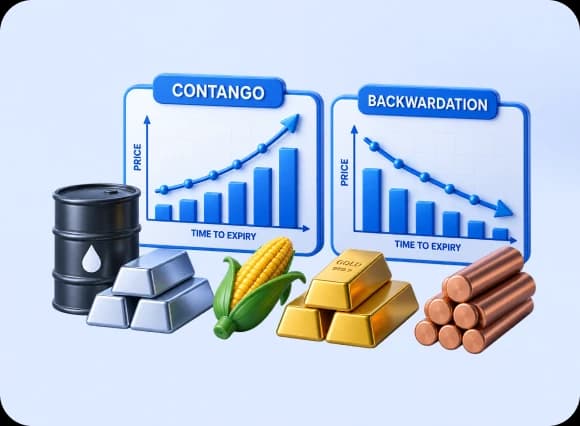
Read MoreContango vs Backwardation in Commodity Futures Explained
Understand contango and backwardation in commodity futures, what drives them, and how traders use these signals to plan smarter trades.
Subscribe for Newsletter
Share on:
Open a Free Demat Account with us only in few minutes
By processing, you agree terms & conditions.

Open a Demat Account in 5 minutes !

Step 01
Click on the button below to open your new account.

Step 02
Fill out some basic details to get started.

Step 03
Upload your documents to verify your account.

Step 04
Start trading within just 24 hours of registration.
Commonly Asked Questions
It is simple and paperless. Visit our website, enter your mobile number, and complete the e-KYC process to open a demat account instantly. Our digital onboarding ensures you can start investing in minutes without physical paperwork.
We unify speed, stability, and advanced tools in one place. Unlike basic apps, our ecosystem offers deep analytics, algo capabilities, and expert support, making us the preferred platform for trading for both beginners and professionals.
A demat account acts like digital storage for your shares and securities, while a trading account is the interface used to buy and sell them. At mastertrust, you get both linked seamlessly for a smooth investment experience.
With over 41+ years of market presence, we combine trust with modern technology. Our transparent pricing, personalised guidance, and regulatory compliance make us one of the preferred stock brokers in India for secure wealth creation.

Slide 1 of 1