
Featured

30 Dec 2024
10 min read
Noor Kaur
Growth Fund vs. Dividend Fund: Which Investment Strategy Suits You Best?

Introduction
Growth funds focus on long-term capital appreciation, while dividend funds offer steady income through regular payouts. Choosing between a growth fund and a dividend fund depends on your financial goals, risk tolerance, and investment timeline.
Understanding the differences between these two approaches will help you make better decisions that align with your objectives and financial situation. So, let’s get right into it!
What are Growth Funds?
Growth funds invest in companies with high growth potential. These funds aim to increase the value of your investment over time, focusing on companies expected to grow at an above-average rate. They usually don't pay dividends, as profits are reinvested to fund future growth.
What are Dividend Funds?
Dividend funds invest in companies that pay regular dividends. These funds focus on providing income through these payouts, making them ideal for investors seeking steady cash flow.
Key Differences Between Growth Funds and Dividend Funds
Growth funds focus on capital appreciation by investing in companies with high growth potential. Dividend mutual funds, on the other hand, focus on income generation through dividend payouts. A few more differences between the two are:
Investment Goals and Objectives
Growth funds are designed for investors who want their investments to increase in value over time. Dividend funds, on the other hand, focus on generating income through regular dividend payouts.
Risk and Return Profiles
Growth mutual funds generally have higher risk. Their value can vary significantly based on the performance of the companies they invest in. On the other hand, dividend funds tend to be less risky and typically more stable since they invest in established companies with a history of paying dividends.
Income Generation vs. Capital Appreciation
A dividend mutual fund is ideal if you are looking for a source of passive income, especially if you're retired or need consistent cash flow. In contrast, growth stock mutual funds focus on increasing the value of your investment by investing in stocks that are expected to grow.
Benefits of Investing in Growth Funds
Some primary benefits of investing in growth funds are:
- Capital Appreciation: Growth funds focus on increasing the value of your investment over time. Investing in companies with high growth potential lets you benefit from the rise in the value of the stocks they hold.
- Higher Return Potential: While growth mutual funds come with more risk, they offer the possibility of higher returns compared to other investment types, especially over the long term.
- Tax Advantages: Growth stock mutual funds typically do not pay out dividends. Instead, the value of your investment increases. This can result in tax benefits, as you are taxed only when you sell the investment.
- Long-Term Growth: If you have a longer investment timeline, growth mutual funds can help you build wealth steadily over time, even if the market experiences fluctuations.
Benefits of Investing in Dividend Funds
Some primary benefits of investing in dividend funds are:
- Regular Income: Dividend-paying mutual funds provide regular payouts from the income of the underlying assets. This can be helpful if you're looking for consistent income, especially in retirement.
- Stability: Dividend funds are often more stable because the companies that pay dividends are usually established and financially strong. This makes them less volatile than growth stocks.
- Reinvestment Opportunity: You can reinvest dividends into more shares, helping your investment grow over time through compounding (earning interest on your earnings).
- Lower Risk: If you are more risk-averse, dividend mutual funds can be a safer option. They offer more predictability and less market volatility than growth-focused investments.
Which Investment Strategy Fits Your Financial Goals?
When deciding between growth mutual funds and dividend mutual funds, it's important to align the choice with your financial goals. Here are key factors to help you make a decision:
- Risk Tolerance: If you prefer stability and predictability, dividend-paying mutual funds may be better. If you’re willing to take on more risk for potentially higher returns, growth funds might appeal to you.
- Market Outlook: During market downturns, reinvesting dividends in dividend funds can be more advantageous. However, if you expect strong economic growth, growth stock mutual funds could provide better returns through rapid capital appreciation, though with more risk.
- Investment Timeline: If you're closer to retirement or need a steady income, dividend funds might be a safer choice. In contrast, for longer-term growth, growth mutual funds typically outperform dividend mutual funds due to capital appreciation and tax benefits.
Tax Implications of Growth and Dividend Funds
When investing in mutual funds, taxes play an important role in determining your returns. Growth mutual funds and dividend mutual funds are taxed differently, and understanding these tax implications can help you make informed investment decisions.
Tax on Capital Gains vs. Dividend Income
Here’s a simple explanation of the tax breakdown on capital gains and dividend funds:
How Taxes Affect Your Overall Returns
Taxes can impact your returns differently depending on whether you invest in dividend-paying mutual funds or growth mutual funds. Here's how:
- Dividend funds offer regular income as dividends, which can be attractive for those looking for liquidity. But, as the dividends are taxed after being received, this may reduce the overall returns, especially if you're in a higher tax bracket.
- On the other hand, growth mutual funds allow you to defer taxes. With these funds, taxes on capital gains are only due when you sell the investment, and you can control when to sell to benefit from lower taxes on long-term capital gains.
Conclusion
Growth funds may be the right choice if you are looking for long-term capital growth and can tolerate market fluctuations. On the other hand, if you prioritise steady income and lower risk, dividend funds could better align with your needs. You can select the best strategy by evaluating your risk tolerance, financial goals, and investment timeline on our Investment App.
FAQs
Can I switch between growth and dividend funds in my portfolio?
Yes, you can switch between growth and dividend funds depending on your financial goals. However, it's important to consider any tax implications or fees that might come with making these changes.
Are growth funds or dividend funds better for tax efficiency?
Dividend funds may be less tax-efficient due to the taxes on the dividends you receive. On the other hand, growth funds tend to have lower taxable distributions, making them more tax-efficient for long-term investors.
How do growth and dividend funds compare in terms of risk?
Growth mutual funds generally carry higher risk as they invest in companies that have a high growth potential, which can be volatile. On the other hand, dividend funds are typically considered less risky since they invest in stable companies that regularly pay dividends.
What are some examples of top growth funds and dividend funds in India?
Some popular growth mutual funds in India include the Axis Long Term Equity Fund and Mirae Asset Large Cap Fund. For dividend funds, examples include the HDFC Dividend Yield Fund and the ICICI Prudential Dividend Yield Equity Fund.
Can I combine both growth and dividend funds in my retirement plan?
Combining growth stock mutual funds and dividend-paying mutual funds in your retirement plan can provide a balanced approach. This allows you to take advantage of long-term capital appreciation and regular income through dividends.
How often do dividend funds pay dividends, and can I reinvest them?
Depending on the fund's policy, Dividend funds typically pay quarterly, semi-annually, or annually. You can reinvest these dividends into the fund or receive them as cash payouts.
Share on:


RelatedBlogs

14 Oct 2026
Featured
Read MoreWhat Is a Butterfly Spread and When Is It Used?
Learn what a butterfly spread is in options trading, how it works in f&o trading, and when traders typically use this strategy.

12 Oct 2026
Featured
Read MoreHow PMS Portfolios Are Benchmarked and What "Alpha" Really Means for Investors
Confused about how PMS portfolios are benchmarked and what alpha actually means? Here's a plain-English breakdown before you invest.

22 Aug 2026
Featured
Read MoreTrading App Comparison: What Beginners vs Pros Should Look For
Choosing a trading app? See what beginners and pros should check in a trading platform, from charts to order speed, before you start trading.
22 Aug 2026
Featured
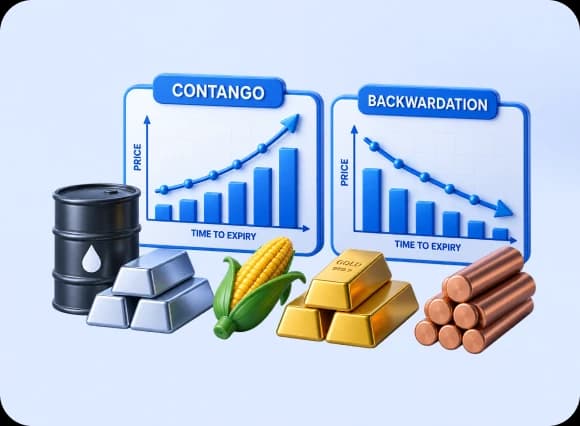
Read MoreContango vs Backwardation in Commodity Futures Explained
Understand contango and backwardation in commodity futures, what drives them, and how traders use these signals to plan smarter trades.
Subscribe for Newsletter
Share on:
Open a Free Demat Account with us only in few minutes
By processing, you agree terms & conditions.

Open a Demat Account in 5 minutes !

Step 01
Click on the button below to open your new account.

Step 02
Fill out some basic details to get started.

Step 03
Upload your documents to verify your account.

Step 04
Start trading within just 24 hours of registration.
Commonly Asked Questions
It is simple and paperless. Visit our website, enter your mobile number, and complete the e-KYC process to open a demat account instantly. Our digital onboarding ensures you can start investing in minutes without physical paperwork.
We unify speed, stability, and advanced tools in one place. Unlike basic apps, our ecosystem offers deep analytics, algo capabilities, and expert support, making us the preferred platform for trading for both beginners and professionals.
A demat account acts like digital storage for your shares and securities, while a trading account is the interface used to buy and sell them. At mastertrust, you get both linked seamlessly for a smooth investment experience.
With over 41+ years of market presence, we combine trust with modern technology. Our transparent pricing, personalised guidance, and regulatory compliance make us one of the preferred stock brokers in India for secure wealth creation.

Slide 1 of 1